Husky Satellite Lab Divisions
HuskySat-2 Divisionlink
Acting as the flagship mission of HSL, the HuskySat-2 Divisions CubeSat (HS-2) aims to reshape GPS independent navigation for the small-sat industry. Funded by the University Nanosatellite Program, this divisions primary payload will demonstrate GPS-independent optical navigation software through an in-house developed and open-source system including:
- LOST: Open-source Star Tracker. Extensively optimized to run on low-powered hardware, this piece of software identifies on-camera constellations to determine which way the satellite is pointing. It provides a free and publicly available alternative to expensive and proprietary solutions.
- FOUND: Open-source Universal Navigation Determiner. This custom-designed system precisely calculates the satellite's orbital trajectory by using a clever algorithm to analyze pictures of the Earth.
This navigation system will be publicly accessible, providing low-cost and open-source alternatives to attitude and position measurements! Additionally, this system creates a new pathway for navigation around the moon and other celestial bodies. Overall, HS-2 is one of the most critical foundations to our future HSL missions around the lunar surface (see HSL’s HS-3 Division for more details!).
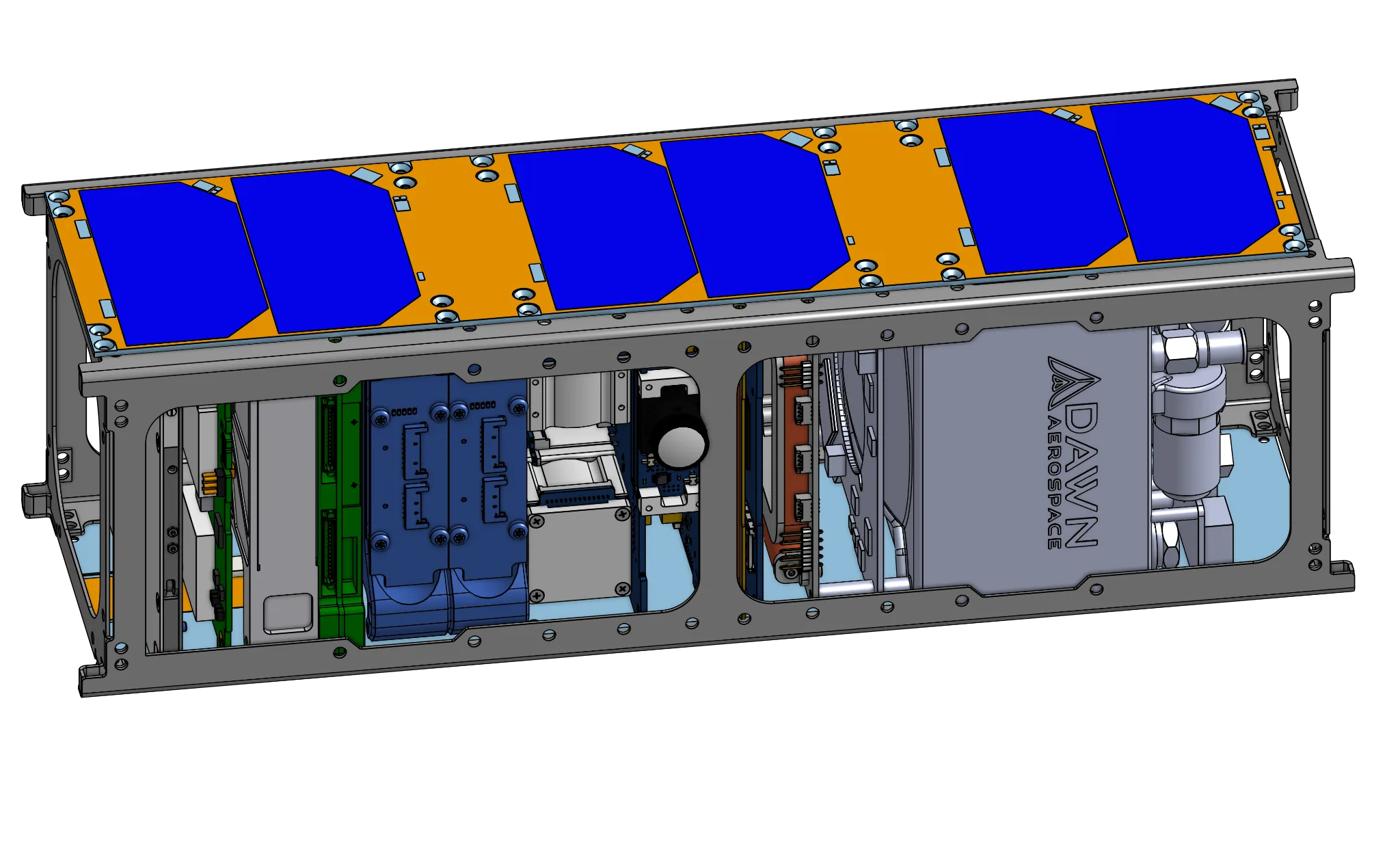
Status: In Progress
| Mission Type | CubeSat |
|---|---|
| Launch Date | NET Jan. 2028 |
| Deployment Location | Low Earth Orbit |
HuskySat-3 Divisionlink
HuskySat-3 (HS-3) is on a journey unlike any other in CubeSat history! Currently, HS-3 aims to explore subsurface regions of Mare Imbrium and Oceanus Procellarum in search of underground tunnels known as Lava Tube Caves.
These Lava Tube Caves are essentially voids underneath the lunar surface that offer extremely promising conditions for long-term human habitation. HS-3 hopes to map these underground caves, providing an accurate underground characterization and knowledge of these incredible structures, with the vision that they'll eventually be used as settlement zones for human beings.
As of Fall of 2026, HS-3 has composed the first version of its mission including system and subsystem requirements and architecture, high-level mission operations and risk matrix, full orbital trajectory and conditions, and more. With this concept on the table, HS-3 is now in its first pass for a full system design!
Having this unprecedented challenge ahead of us, HS-3 has assembled an elite team of engineers, each of whom owns a large stake in the success of the mission. This team is working together to design, build, and test HS-3, all the way from component-level to full-satellite assembly.
If you're someone with a strong urge for solving new problems, willingness to push yourself to show up for your team, and comfortable failing over and over again, then we'd very much like to talk to you! Please apply through our website once applications open!
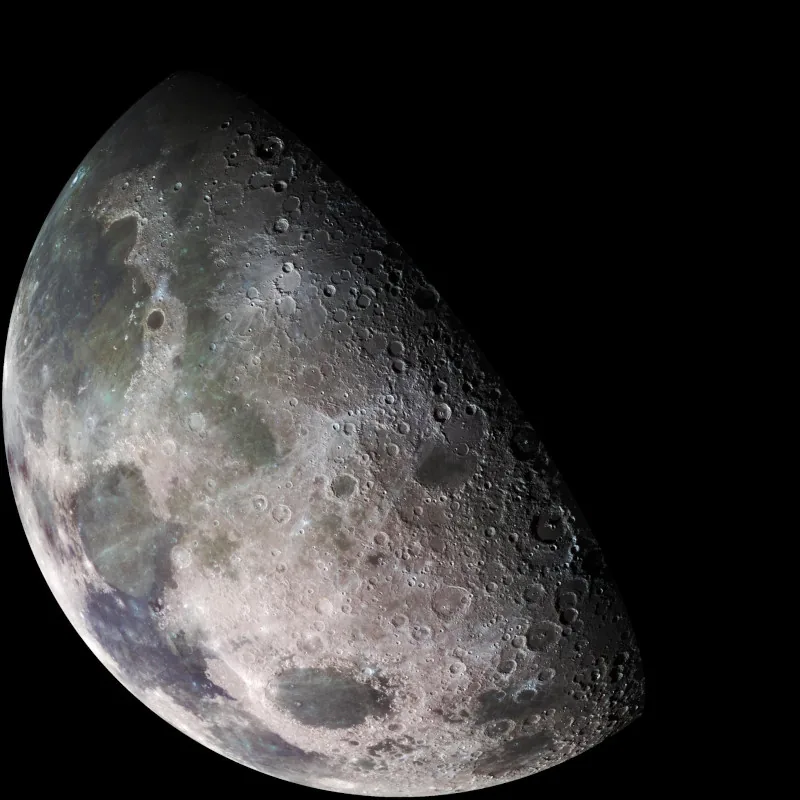
Status: Development
| Mission Type | 6U/12U CubeSat |
|---|---|
| Launch Date | NET 2030 |
| Deployment Location | Lunar Gateway Orbit |
| Primary Objective | Map Lunar Lava Tubes |
Propulsion R&D Divisionlink
Committed to making CubeSats deep space worthy, HSL established the Propulsion Research & Development Division to advance propulsion systems and engines. The division currently has three systems of focus: a green monopropellant system, an electrospray system, and a vapor hot gas system. Each system serves a specific purpose for deep space exploration using CubeSats.
The Propulsion R&D division takes these systems from conception all the way through design and iteration, as well as testing and system proofing. Members dabble in all areas of engineering and the work they perform is very research heavy!
While the CubeSat missions like HS-3 are the primary beneficiaries of this research and testing, Propulsion R&D’s groundbreaking work also impacts the broader propulsion industry, one propellant system at a time.
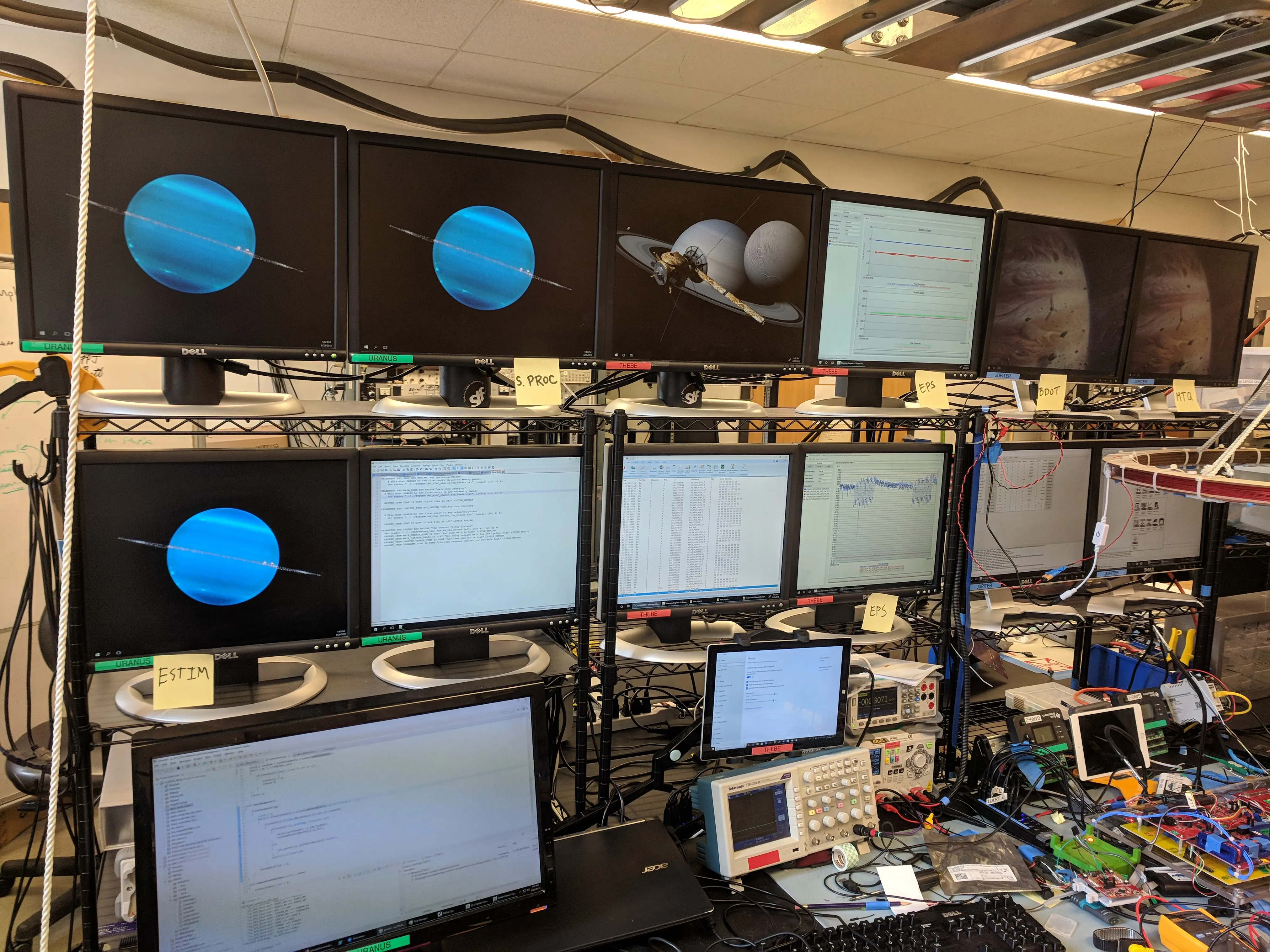
Status: Active Research
| Focus Areas | PPT, Cold Gas, Chemical Systems |
|---|---|
| Test Platforms | Ground Lab, PHAT Missions |
Business Divisionlink
External relationships, funding, and organizational growth: this is just a bit of the work that’s done in the Business Division at HSL. This division focuses on creating social branding, securing external partnerships, and developing funding strategies for our ambitious space missions.
They handle topics such as grant applications, corporate partnerships, community outreach initiatives and collaborate closely with all technical divisions to meet their needs.
One of their most resent initiatives included the Mission CHNOOK community engagement payload: a payload whose efforts brought students, Washington State community members, and non-profit kids worldwide a chance to reach for the stars (see Mission CHNOOK for more details on the mission!).
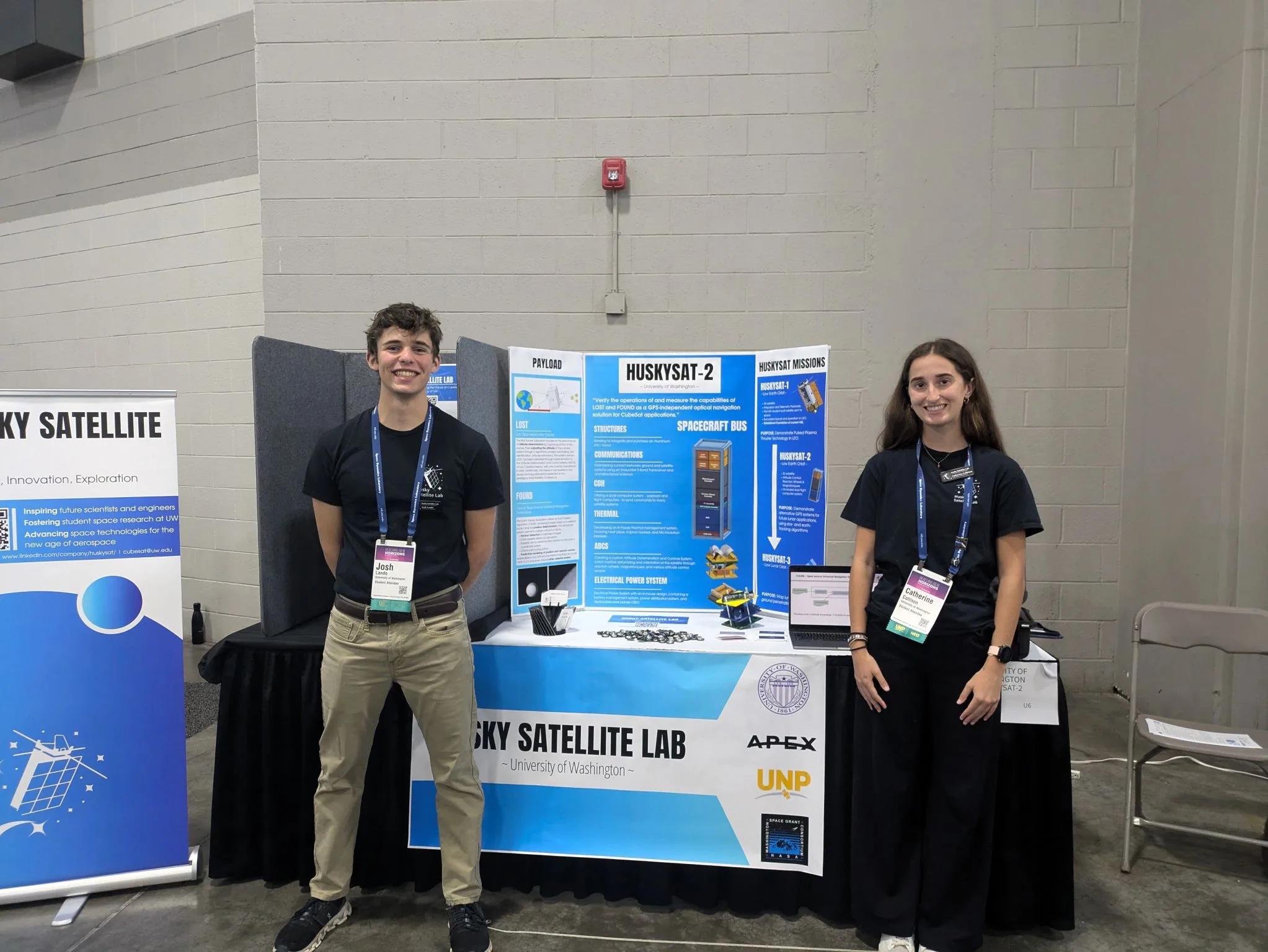
Status: Active Operations
| Focus Areas | Partnerships, Funding, Outreach |
|---|---|
| Key Initiatives | CHNOOK Campaign, Sponsorships |
| Partnerships | Industry, Academic, Nonprofit |